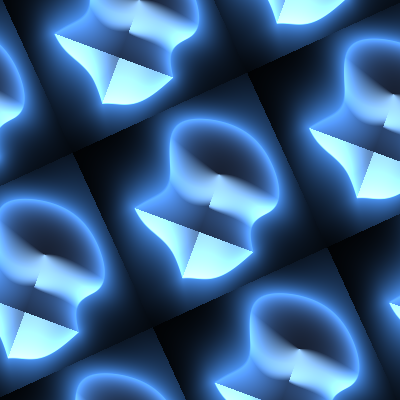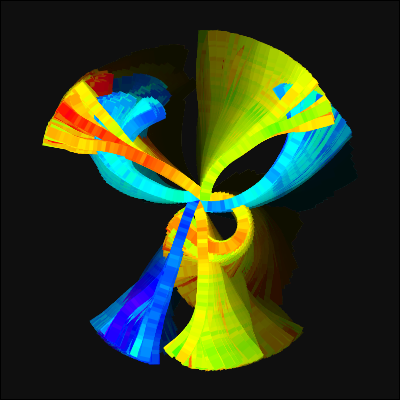
9) Polar coordinates
CIrcles within circles within circles.
Just a bunch of random rules, with the ability (if you put this in p5js at least) to add them pretty easily.
This one can do some wacky things if you randomize it. But also, it might crash your browser tab on some of these settings. Sorry. 😄
Try:
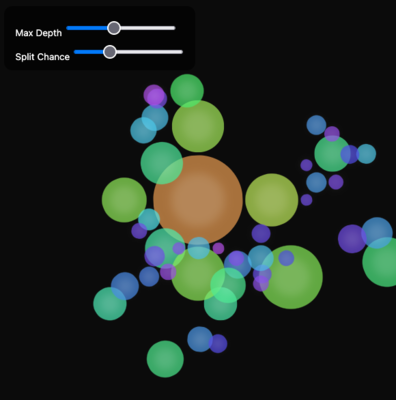
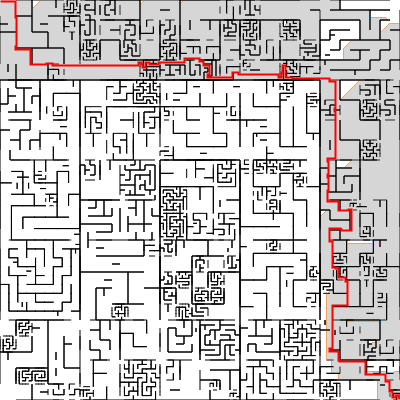
So the basic idea here is to recursively divide the space. The black squares are the randomly chosen values. Then, for each level of the tree, combine the children using one of the selected functions (and/or/xor/etc), drawing a border if the result of that combination is true.
Try various combinations of settings!
Yeah, this one got weird and recursive. But it’s only sort of font data, so I think it works.
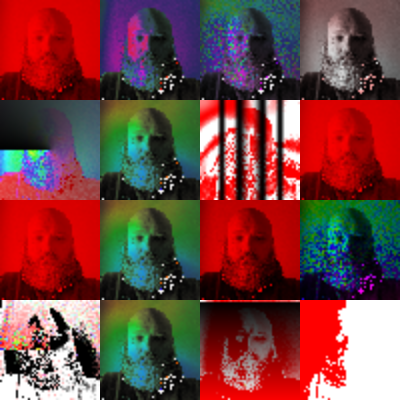
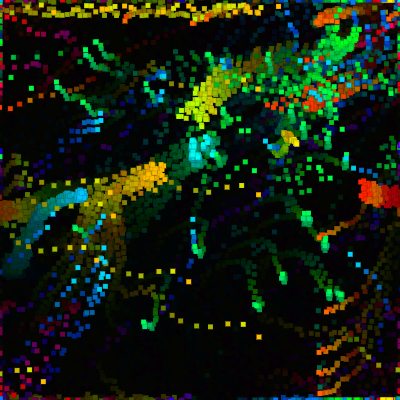
Perlin noise, but … really lowres? You can play with how low res or how many colors you want.
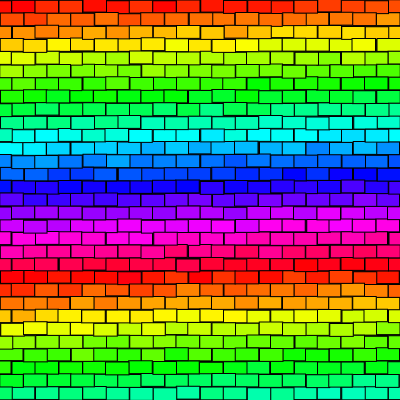
This is entirely based around this Fibonacci generator function:
function makeFibber(maxValue = 1000) {
let a = 1;
let b = 1;
return () => {
let n = a + b;
a = b;
b = n;
if (b > maxValue) {
a = 1;
b = 1;
}
return a;
};
}
Make a fibber and then just keep calling it for next values.
All sorts of exciting options here!
Twelve principles of animation
That … is a lot. And I’m not really an animator. But let’s see what we can do!
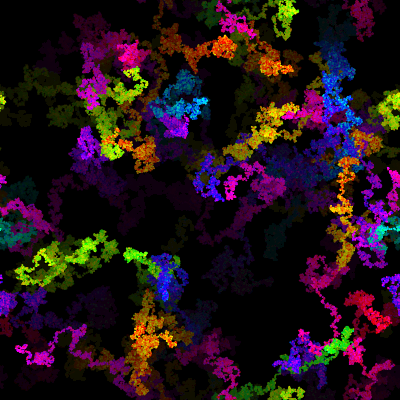
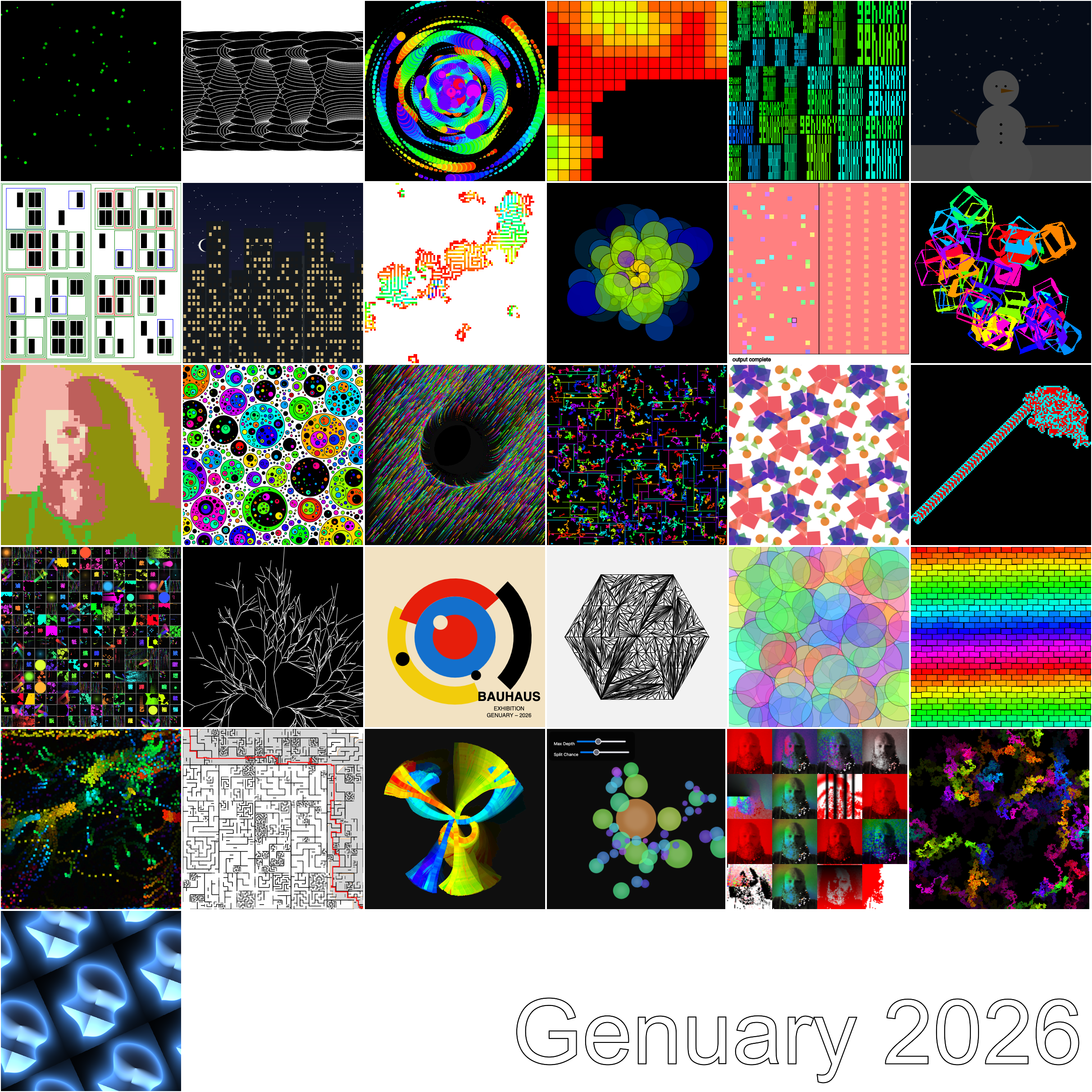
It’s been a couple years since I last did Genuary. Let’s do it again. I don’t expect to make any masterpieces, but I enjoy making tiny pretty pictures. It’s something I’ve been doing honestly as long as I’ve been programming (I remember making brownian motion ‘bugs’ in QBasic in the 90s…).